ADHD and families: the genetic connection
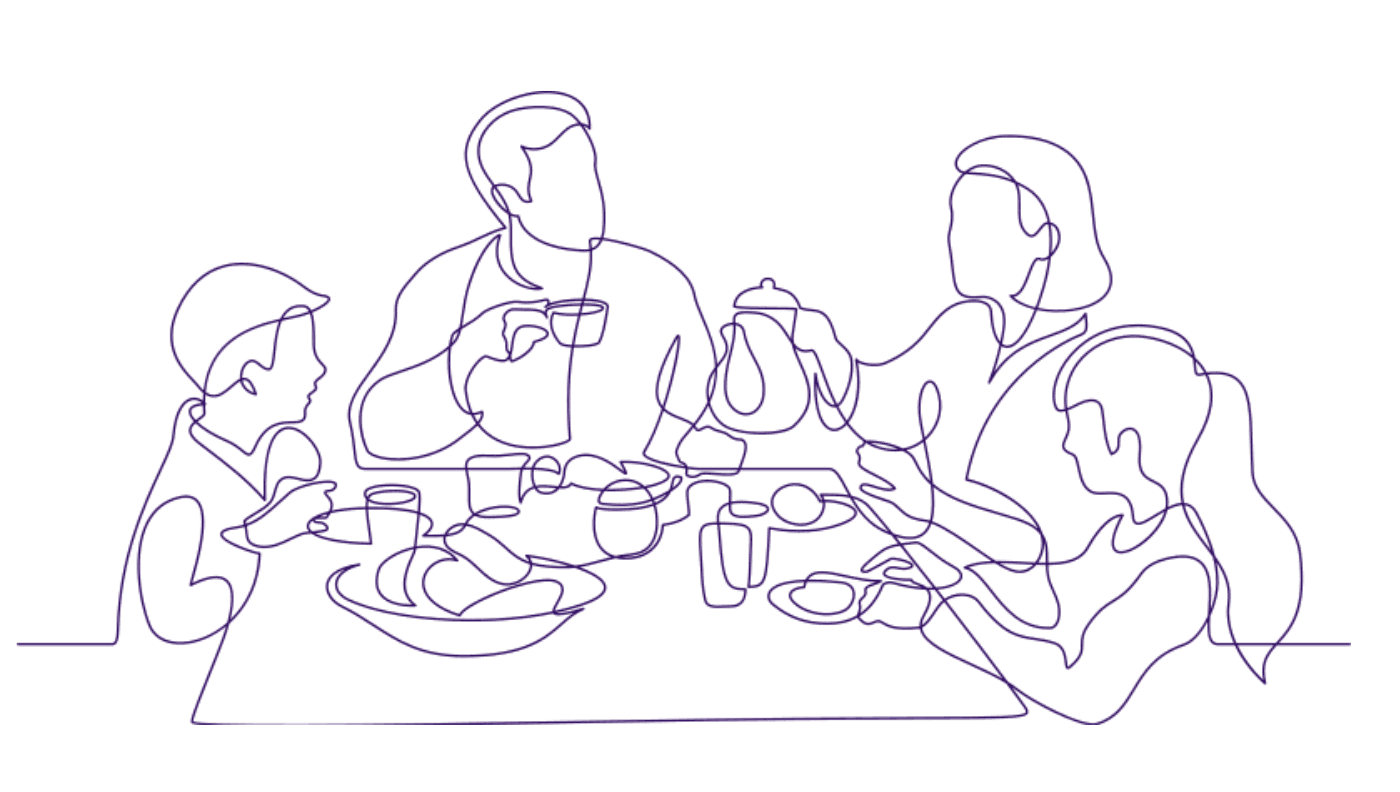
ADHD tends to run in families: it’s strongly genetic. Some studies suggest that if you have ADHD, your first-degree relatives (such as siblings, parents or children) may be up to nine times more likely to have it.
What does that mean in practice? If you have – or suspect you have – ADHD, there’s a good chance more than half your close family members do, too.
(Interestingly, in ADHD twin studies, researchers have found that up to 90% of twins share the condition, regardless of the environment they’re raised in.)
Overall, ADHD appears to be even more heritable than many other well-known genetic conditions, such as rheumatoid arthritis, Alzheimer’s disease, bipolar disorder and multiple sclerosis.
The evolution of ADHD
Despite the stereotypes, many people with ADHD live rich, successful and fulfilling lives. Some researchers even believe ADHD traits may have evolved because they offered real advantages – not just in the past, but today too.
Just as biodiversity helps life on Earth to thrive, neurodiversity – including different ways of thinking – may have been just as vital for human survival.
Britney Spears
Emma Watson
Helen Fielding
Jamie Oliver
Justin Timberlake
Paris Hilton
Simone Biles
Sir Richard Branson
Steven Spielberg
Will.i.am

What's next?
Recently diagnosed with ADHD and looking for support? Join our FREE monthly online and in-person* sessions for interesting conversations with likeminded people – wherever you are on your ADHD journey.
*In-person sessions take place in Brighton.