Diagnosing ADHD
To be diagnosed with ADHD, a person must show a pattern of behavioural symptoms that significantly impact daily life and have been present since childhood. These symptoms are outlined in the psychiatrists’ handbook: the Diagnostic and Statistical Manual (DSM).
While ADHD is broadly defined by inattention and hyperactive-impulsive behaviour, each diagnosis includes a sub-type, depending on which characteristics are most dominant.

There are three types of ADHD.
People with this type of ADHD experience more symptoms of inattention than impulsivity and hyperactivity. They may struggle with impulse control or hyperactivity at times, but these are secondary characteristics.
People who experience inattentive behaviour often:
are easily distracted
lack attention to detail
get bored quickly
have trouble focusing on a single task
have difficulty organising their thoughts and learning new information
lose smartphones, keys or items needed to complete a task
don’t appear to listen
move slowly and appear to be daydreaming
process information more slowly and less accurately than others
have difficulty following directions
This type of ADHD is characterised by symptoms of impulsivity and hyperactivity. People with this type can display signs of inattention, but these behaviours are not as prominent as the symptoms below.
People who are impulsive or hyperactive often:
squirm, fidget or feel restless
have difficulty sitting still
talk constantly
touch and play with objects, even when inappropriate to the task at hand
have trouble engaging in quiet activities
feel they’re constantly on the go, with no stop button
exhibit risk-taking behaviour
are impatient
don’t think about the consequences of their actions
interrupt, and blurt out answers or inappropriate comments
This is the most common diagnosis. People with combined-type ADHD display many of the inattentive-type and hyperactive/impulsive-type behavioural symptoms listed above.
The severity of ADHD symptoms can change throughout life, meaning it’s possible to move between all three ADHD types – combined-type, inattentive-type and hyperactive/impulsive-type – plus ‘sub-clinical’ ADHD (which describes cases where someone has too few symptoms for a diagnosis).
Most people experience some degree of inattentive or hyperactive/impulsive behaviour. But these symptoms are far more severe in people with ADHD, and often make it hard to function properly at home, school, work and in social situations.
Alongside these core traits, people with ADHD may have coexisting neurodivergent conditions – such as autism spectrum condition (ASC), dyslexia or dyspraxia – as well as mental health conditions, such as anxiety and or depression. You can read more about ADHD and coexistence on our page about ADHD and neurodiversity.
Many people with ADHD experience emotions differently to others.
As well as symptoms of inattention, impulsivity and hyperactivity, many people with ADHD experience emotions differently to others. This can show itself as:
being quick to respond to even the smallest triggers with intense emotional reactions
difficulty recognising emotions in themselves and others
extremes of empathy: either empathising deeply with others, or showing little emotion
experiencing many emotions simultaneously, where a neurotypical person might experience just one or two emotions
Meltdowns, shutdowns and ADHD
Just as meltdowns and shutdowns are common in people with autism spectrum condition (ASC), differences in emotions can cause both reactions in people with ADHD.
So, what are they, and how might they show up?
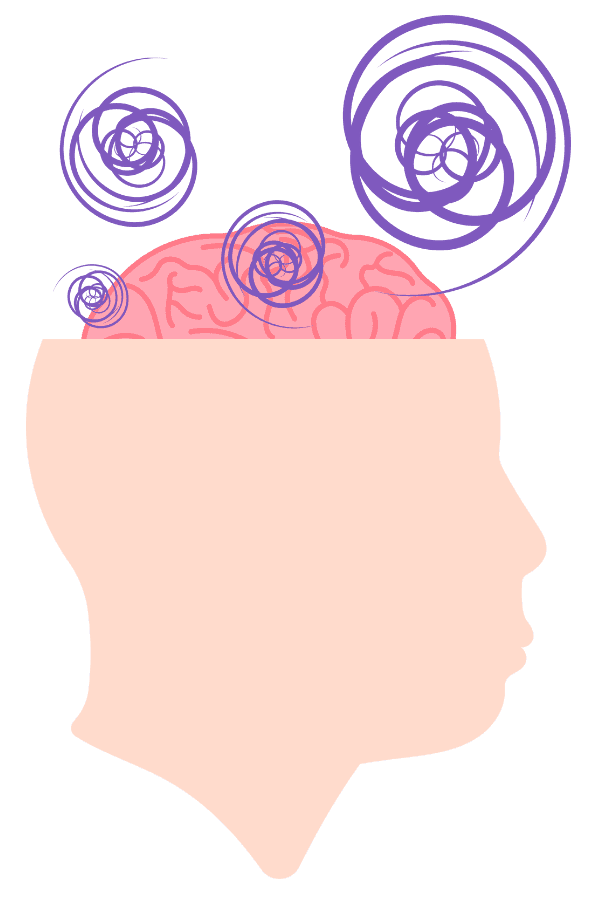
ADHD meltdowns occur where an intense and sudden build-up of overwhelming emotions or stimuli results in a loss of control – often characterised by tears, anger or even aggression.
ADHD shutdowns are a form of disconnection that occurs as a response to overload. They happen when a person with ADHD experiences such emotional overwhelm or overstimulation that they struggle to think, speak or act.
These differences in emotions are often referred to as ‘emotional dysregulation’ – a subject that experts have long debated.
The History of ADHD and Emotional Dysregulation
Emotional dysregulation was considered a core part of ADHD until the 1970s. But the condition wasn’t always known as ADHD.
In the 19th and 20th centuries, ADHD was referred to as ‘minimal brain dysfunction’, ‘defect in moral control’, ‘mental restlessness’, ‘hyperactive child syndrome’ and ‘hyperkinetic impulse disorder’.
Emotional dysregulation was considered a key part of all these conditions.
In the 1970s, ADHD research was formalised so that the condition could be incorporated into the DSM (Diagnostic and Statistical Manual) – the handbook psychiatrists use to define and classify all neurodevelopmental disorders.
Emotional dysregulation was repeatedly observed during research, but researchers chose to focus on inattention, hyperactivity and impulsivity, which were easier to measure and treat. And emotional dysregulation was phased out of the medical descriptions of ADHD.
ADHD and Emotional Dysregulation Today
Despite being left out of the DSM, emotional dysregulation continues to show up in ADHD studies.
While researchers now unanimously recognise the connection between ADHD and emotional dysregulation, there are two schools of thought:
Emotional dysregulation is a core trait of ADHD. It comes from the same brain and nervous system changes to impulse control, executive function and working memory as inattention, hyperactivity and impulsivity do.
Emotional dysregulation is a separate condition from ADHD. It comes from different but overlapping brain and nervous system changes – meaning people with ADHD are far more likely to have emotional dysregulation, in the same way they’re also likely to develop dyslexia.
Some believe emotional dysregulation in ADHD is due to co-existing mental health conditions, but – while coexisting conditions make research challenging – this idea has been disproven.

What's next?
If you’re struggling with emotional dysregulation, you’re not alone. Emotional dysregulation is believed to affect around one in three children with ADHD and one in two adults with ADHD.
Fancy sharing your experiences – or learning from – likeminded people with ADHD? Our FREE peer support groups and discussion sessions can help.